
In our fast-paced modern world, the disconnection between mind and body has become a silent epidemic. Many of us live entirely in our heads, unaware of the tension we carry.

The ancient wisdom of somatic awareness, combined with intentional breathwork and posture mastery, offers a powerful pathway to reclaim balance and cultivate lasting calm. By learning to listen to your body’s subtle signals and responding with conscious awareness, you can transform stress into serenity and chaos into centeredness.
🧘 The Foundation of Somatic Awareness: Listening to Your Body’s Wisdom
Somatic awareness refers to the practice of tuning into your body’s internal sensations, movements, and signals. Unlike traditional mindfulness that focuses primarily on thoughts and emotions, somatic practices emphasize the felt experience within your physical form. This body-centered approach recognizes that our physical experiences profoundly influence our mental and emotional states.
Your body stores memories, traumas, and stress patterns in ways that your conscious mind may not recognize. Muscle tension, shallow breathing, and postural habits all reflect your psychological state. When you develop somatic awareness, you gain access to this rich source of information, allowing you to identify stress patterns before they become chronic issues.
The practice begins with simple body scans—systematically bringing attention to different parts of your body without judgment. Notice where you hold tension. Observe the quality of sensations: are they sharp or dull, warm or cool, tight or expansive? This non-judgmental observation creates space between stimulus and response, giving you choice in how you react to stressors.
The Science Behind Body-Mind Connection
Neuroscience has validated what contemplative traditions have known for millennia: the body and mind are inseparable. The vagus nerve, which connects your brain to virtually every major organ, serves as a biological superhighway for communication between body and mind. When you practice somatic awareness, you’re literally rewiring neural pathways and strengthening this crucial connection.
Research shows that people with higher interoceptive awareness—the ability to sense internal bodily states—demonstrate better emotional regulation, reduced anxiety, and improved decision-making. By cultivating this awareness, you’re not just feeling better; you’re fundamentally changing how your nervous system responds to the world.
💨 Breathwork: The Bridge Between Conscious and Unconscious
Breathing is the only autonomic function that we can consciously control, making it the perfect tool for accessing and regulating our nervous system. While your body breathes automatically, bringing awareness and intentionality to your breath creates profound shifts in your physical and mental state.
Most people breathe shallowly, using only the upper chest. This pattern, often called stress breathing or chest breathing, keeps your body in a low-grade fight-or-flight state. In contrast, diaphragmatic breathing—deep belly breathing—activates the parasympathetic nervous system, signaling safety to your body and mind.
Essential Breathwork Techniques for Balance and Calm
Box Breathing (Square Breathing): This technique involves breathing in for four counts, holding for four counts, exhaling for four counts, and holding empty for four counts. Used by Navy SEALs and elite athletes, box breathing quickly centers the mind and regulates the nervous system. Practice this for five minutes when you feel overwhelmed or need to focus.
4-7-8 Breathing: Inhale through your nose for four counts, hold for seven counts, and exhale completely through your mouth for eight counts. This pattern, developed by Dr. Andrew Weil, acts as a natural tranquilizer for the nervous system. The extended exhale activates the vagus nerve, promoting deep relaxation.
Alternate Nostril Breathing (Nadi Shodhana): This yogic practice involves breathing through one nostril at a time, alternating between left and right. It balances the left and right hemispheres of the brain, reduces anxiety, and promotes mental clarity. This technique is particularly effective before important meetings or challenging conversations.
Coherent Breathing: Breathing at a rate of approximately five breaths per minute (six-second inhales and six-second exhales) creates heart rate variability coherence—a state associated with optimal physiological function, emotional stability, and mental clarity.
Building a Sustainable Breathwork Practice
Start with just five minutes daily. Choose one technique and practice it consistently at the same time each day—perhaps upon waking or before bed. As you become comfortable, gradually extend your practice time and explore different techniques for different situations.
Notice how different breathing patterns affect your energy and mood. Some techniques energize, while others deeply relax. Building this awareness allows you to use breath as medicine, selecting the right technique for your current needs.
🧍 Posture Mastery: Your Physical Foundation for Mental Clarity
Your posture is not just about aesthetics or preventing back pain—it’s a powerful determinant of your mental and emotional state. Research in embodied cognition demonstrates that your physical position directly influences your thoughts, feelings, and even hormonal levels.
Slouched, collapsed postures correlate with decreased energy, negative mood, and reduced confidence. Conversely, open, upright postures increase testosterone, decrease cortisol, and promote feelings of power and positivity. Your body language doesn’t just communicate to others; it communicates to your own nervous system.
The Core Elements of Optimal Posture
Neutral Spine Alignment: Imagine a string gently pulling the crown of your head toward the ceiling. Your ears should align over your shoulders, shoulders over hips, and hips over ankles. This alignment distributes weight evenly, reducing strain on muscles and joints.
Shoulder Positioning: Modern life—especially screen time—pulls shoulders forward and inward. Consciously draw your shoulder blades down and slightly back, opening your chest without forcing or straining. This position facilitates deeper breathing and projects confidence.
Core Engagement: Gentle core activation provides stability for your spine without rigidity. Think of creating a supportive container for your organs rather than sucking in your stomach. This subtle engagement protects your lower back and improves balance.
Hip and Pelvic Positioning: Your pelvis should be neutral—neither excessively tilted forward nor tucked under. Find this position by gently rocking your pelvis forward and back, then settling in the middle. This neutral position optimizes spinal alignment and reduces lower back strain.
Postural Awareness Throughout Your Day
Set regular reminders to check in with your posture. Every hour, take a moment to notice how you’re holding your body. Are you collapsed or rigid? Can you find ease within alignment? These brief check-ins build awareness and prevent postural patterns from becoming habitual.
When sitting, ensure your feet are flat on the floor, knees at hip level or slightly lower. Your screen should be at eye level to prevent neck strain. Consider a standing desk or regular movement breaks to counteract prolonged sitting.
Walking offers an excellent opportunity for postural practice. Notice your gait, the swing of your arms, and the placement of your feet. Walking with awareness becomes a moving meditation that reinforces healthy postural habits.
🔄 Integrating the Three Pillars: A Holistic Approach
While somatic awareness, breathwork, and posture mastery are powerful individually, their true transformative potential emerges when practiced together. Each element supports and enhances the others, creating a synergistic effect that multiplies your results.
Begin your integration practice with posture. Sit or stand in optimal alignment, feeling the support of the earth beneath you. This physical foundation creates space for your breath and attention to flow freely.
Next, bring awareness to your breath. Notice its current quality without trying to change it. Is it shallow or deep? Smooth or irregular? Fast or slow? This observation deepens your somatic awareness and provides baseline information.
Then, consciously shift to deeper, slower breathing. Feel how your improved posture allows fuller, easier breaths. Notice the sensations throughout your body as oxygen circulation increases. This is somatic awareness in action—feeling the direct impact of one practice on your entire system.
Creating Your Personal Practice Routine
Start with a morning ritual that sets the tone for your entire day. Spend ten minutes combining all three elements:
- Establish optimal posture (2 minutes): Sit or stand with neutral alignment, feeling grounded and supported
- Practice breath awareness (3 minutes): Observe your natural breath, then transition to diaphragmatic breathing
- Conduct a body scan (5 minutes): Systematically bring attention to each body part, noticing sensations and releasing tension
Throughout your day, use micro-practices. Before important meetings, take three deep breaths while checking your posture. During stressful moments, pause for a 30-second body scan. These brief interventions accumulate, creating significant impacts over time.
Evening practice helps process the day’s stress and prepare for restorative sleep. Spend 15 minutes in gentle stretching combined with conscious breathing, releasing physical and emotional tension accumulated throughout the day.
⚡ Overcoming Common Challenges and Obstacles
The path to mastery isn’t always smooth. Understanding common challenges helps you navigate them skillfully rather than abandoning your practice when difficulties arise.
The Consistency Challenge: Many people start enthusiastically but struggle to maintain regular practice. Combat this by starting small—commit to just five minutes daily rather than ambitious hour-long sessions. Attach your practice to existing habits, like brushing your teeth or making coffee, to leverage habit stacking.
Physical Discomfort: When first developing postural awareness, you may experience muscle fatigue or discomfort. This is normal—your body is adapting to new patterns. Distinguish between the discomfort of change and the pain of injury. Progress gradually, and consider working with a physical therapist or movement specialist if concerns arise.
Mental Resistance: Your mind may resist these practices, declaring them boring or pointless. Recognize this as the ego’s preference for familiar patterns, even dysfunctional ones. Approach resistance with curiosity rather than judgment, and persist gently through it.
Expecting Immediate Results: While some benefits appear immediately, deeper transformation requires time and consistency. Celebrate small victories—noticing tension earlier, recovering from stress faster, or maintaining awareness for longer periods. These incremental improvements compound over weeks and months.
🌟 Advanced Practices for Deepening Your Mastery
Once you’ve established consistent basic practices, explore these advanced techniques to deepen your mastery and unlock new levels of balance and calm.
Somatic Tracking for Emotional Intelligence
Develop the ability to identify emotions through body sensations before they fully emerge in consciousness. Anxiety often manifests as chest tightness or stomach butterflies. Anger may appear as heat and tension in the jaw or shoulders. By recognizing these somatic signatures early, you can respond skillfully rather than being swept away by emotional reactivity.
Create a personal emotion-sensation map by journaling about the physical sensations associated with different emotional states. This awareness transforms your relationship with emotions, viewing them as information rather than overwhelming forces.
Dynamic Posture and Movement Flow
While we’ve focused on static posture, optimal alignment in movement is equally important. Explore practices like tai chi, qigong, or Feldenkrais Method that emphasize mindful, flowing movement. These disciplines teach you to maintain postural integrity while moving through space, creating grace and efficiency in all activities.
Even simple activities like walking to your car or reaching for an object become opportunities for practice when you bring somatic awareness to movement quality.
Breathwork for Specific States
Expand beyond calming techniques to explore breath practices that energize, focus, or facilitate emotional release. Kapalabhati (skull-shining breath) and Bhastrika (bellows breath) are vigorous yogic techniques that increase energy and mental clarity. Holotropic breathwork and conscious connected breathing can facilitate deep emotional processing and insight.
Always research techniques thoroughly and, for intense practices, consider working with trained facilitators to ensure safety and maximize benefits.
🌱 The Ripple Effect: How Your Practice Transforms Your Life
As you master somatic awareness, breathwork, and posture, you’ll notice changes extending far beyond your practice sessions. These skills fundamentally alter how you experience and navigate life.
Your stress resilience increases dramatically. Rather than being overwhelmed by challenges, you recognize stress signals early and respond effectively. You recover faster from difficult situations, preventing acute stress from becoming chronic patterns.
Relationships improve as you become more present and less reactive. When you’re grounded in your body and breath, you listen more deeply and communicate more authentically. The calm you cultivate internally radiates outward, positively affecting everyone you encounter.
Decision-making becomes clearer and more aligned with your values. By accessing the wisdom of your body alongside mental analysis, you make choices that feel right at all levels—intellectual, emotional, and intuitive.
Physical health often improves through reduced stress hormones, better sleep quality, lower blood pressure, and enhanced immune function. The mind-body connection works both ways—as you calm your mind, your body benefits, and vice versa.
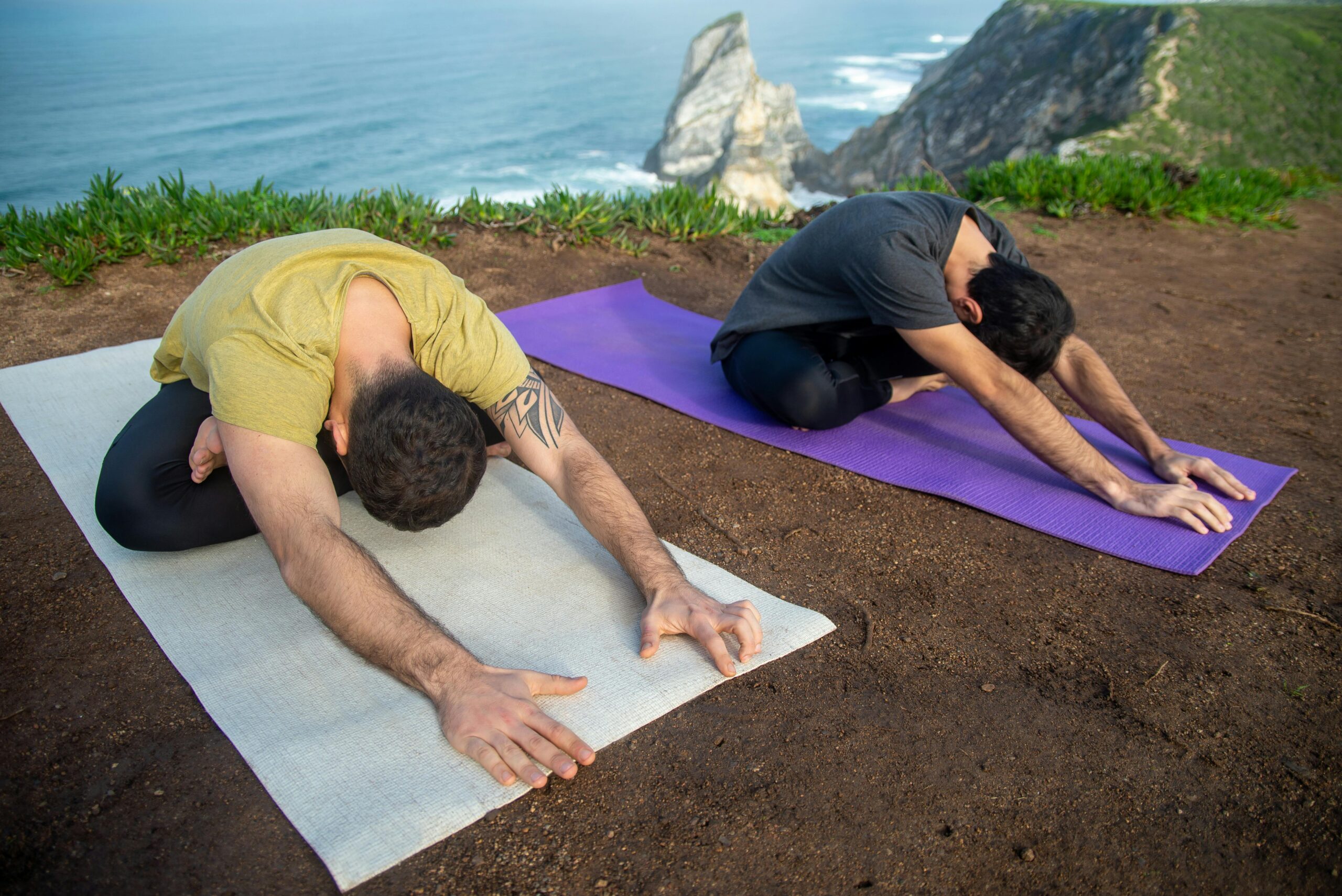
🎯 Your Journey Begins Now
Mastering your mind and body through somatic awareness, breathwork, and posture is not a destination but an ongoing journey of discovery and refinement. Each practice session is both the path and the goal—moments of presence and peace in themselves while also building capacity for greater balance and calm.
Begin today with a simple commitment: pause right now and take three deep, conscious breaths while noticing your posture and body sensations. This single moment of integrated awareness plants a seed that, with consistent nurturing, grows into lasting transformation.
Remember that perfection is not the goal. Approach your practice with curiosity, patience, and self-compassion. Some days will feel effortless; others will challenge you. Both are valuable parts of the journey. What matters is showing up consistently, returning again and again to the wisdom of your breath, the intelligence of your body, and the peace available in each present moment.
The tools you need are always with you—your breath, your body, your awareness. No special equipment or external circumstances are required. Freedom from stress and access to deep calm are your birthright, waiting to be reclaimed through these simple yet profound practices. Start where you are, begin with what you have, and trust the process. Your balanced, calm, and centered self awaits your attention.