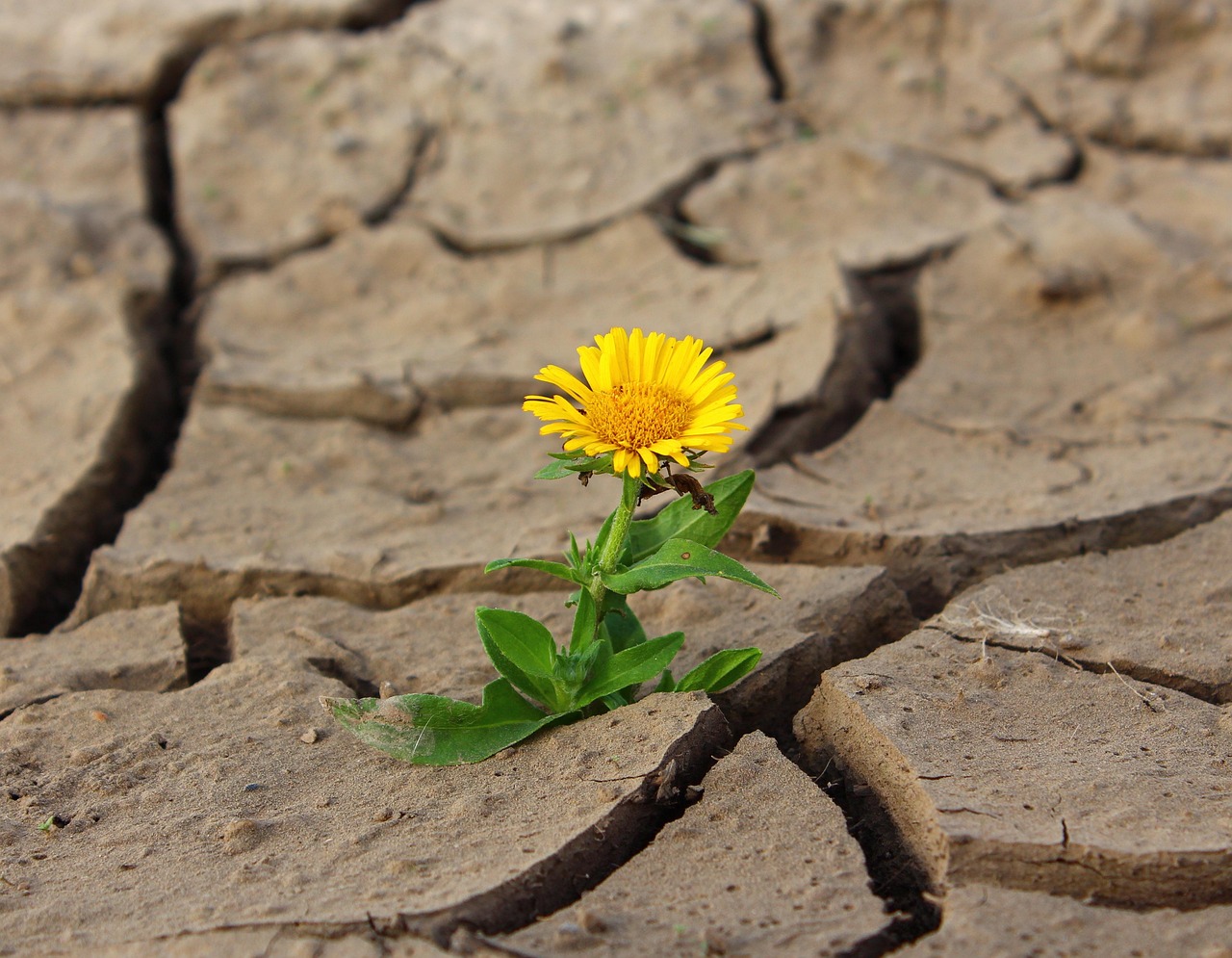
Life throws curveballs at everyone, and emotional resilience determines whether you bounce back stronger or stay stuck in difficulties. Building this critical skill isn’t about avoiding emotions—it’s about developing the capacity to navigate them effectively and emerge transformed.

The journey toward emotional resilience begins with understanding that challenges aren’t obstacles to happiness but opportunities for growth. When you develop the ability to manage stress, regulate emotions, and maintain perspective during turbulent times, you unlock a powerful inner strength that carries you through life’s most demanding moments. This comprehensive guide explores proven strategies that will help you cultivate unshakeable emotional resilience and thrive regardless of circumstances.
🧠 Understanding Emotional Resilience: More Than Just Bouncing Back
Emotional resilience represents your psychological immune system—the mental and emotional resources that protect you from being overwhelmed by adversity. Unlike the common misconception that resilient people simply “tough it out,” true resilience involves a sophisticated set of skills including emotional awareness, cognitive flexibility, and adaptive coping mechanisms.
Research from the American Psychological Association reveals that resilience isn’t a trait you’re born with or without. Instead, it’s a collection of behaviors, thoughts, and actions that anyone can learn and develop. This scientific understanding transforms resilience from an elusive quality into an accessible skill set you can systematically build.
Resilient individuals don’t experience fewer difficulties than others—they’ve simply developed better tools for processing and responding to challenges. They maintain realistic optimism, view setbacks as temporary rather than permanent, and extract meaningful lessons from difficult experiences. These patterns of thinking and behaving can be cultivated through deliberate practice and conscious effort.
🌱 The Foundation: Self-Awareness as Your Starting Point
Before you can strengthen your emotional resilience, you must first understand your current emotional landscape. Self-awareness serves as the bedrock upon which all resilience skills are built. This means recognizing your emotional triggers, understanding your stress responses, and identifying the thought patterns that either support or undermine your wellbeing.
Begin by observing your reactions to daily stressors without judgment. Notice what situations consistently provoke anxiety, frustration, or overwhelm. Pay attention to the physical sensations that accompany these emotions—perhaps tension in your shoulders, a knot in your stomach, or a racing heartbeat. These bodily signals provide valuable information about your emotional state before your conscious mind fully registers what’s happening.
Creating Your Emotional Inventory
Developing a personal emotional inventory helps you map your inner terrain. Spend time each day reflecting on questions like: What emotions did I experience today? What triggered them? How did I respond? What worked well, and what didn’t? This regular practice builds the self-knowledge necessary for emotional mastery.
Journaling serves as an exceptionally powerful tool for enhancing self-awareness. Writing about your experiences creates distance from overwhelming emotions, allowing you to examine them more objectively. Over time, patterns emerge that reveal your personal resilience strengths and areas needing development.
💪 Building Your Resilience Toolkit: Practical Strategies That Work
Emotional resilience requires more than understanding—it demands actionable strategies you can implement when challenges arise. The following evidence-based techniques form a comprehensive toolkit for navigating life’s difficulties with greater ease and effectiveness.
Cognitive Reframing: Changing Your Perspective
Cognitive reframing involves consciously shifting how you interpret events and circumstances. When faced with setbacks, resilient people ask empowering questions: “What can I learn from this?” rather than “Why does this always happen to me?” This subtle shift in perspective transforms obstacles into opportunities for growth.
Practice identifying catastrophic thinking patterns—those moments when your mind jumps to worst-case scenarios. Challenge these thoughts by asking: “What evidence supports this thought? What evidence contradicts it? What would I tell a friend in this situation?” This cognitive restructuring creates mental flexibility that serves you during challenging times.
Emotional Regulation Techniques
Managing intense emotions effectively requires specific techniques that calm your nervous system and restore equilibrium. Deep breathing exercises activate your parasympathetic nervous system, counteracting the stress response. Try the 4-7-8 technique: inhale for four counts, hold for seven, exhale for eight. This simple practice can significantly reduce anxiety within minutes.
Progressive muscle relaxation offers another powerful tool for emotional regulation. Systematically tensing and releasing different muscle groups helps release stored tension and brings awareness back to your physical body, grounding you in the present moment rather than anxious thoughts about the future or regrets about the past.
🤝 The Social Dimension: Connection as Resilience Fuel
Humans are fundamentally social creatures, and strong relationships provide essential support during difficult times. Research consistently shows that social connection ranks among the most significant predictors of resilience and wellbeing. Building and maintaining supportive relationships isn’t optional—it’s foundational to emotional strength.
Quality matters more than quantity when it comes to social connections. Focus on cultivating relationships with people who offer genuine support, understanding, and encouragement. These individuals provide emotional safety, allowing you to be vulnerable about your struggles without fear of judgment or dismissal.
Developing Your Support Network
Intentionally build a diverse support network that includes different types of relationships. Some people offer practical help, others provide emotional comfort, while still others challenge you to grow. Recognizing the unique contributions of different relationships helps you seek appropriate support based on your current needs.
Don’t wait until crisis strikes to strengthen these connections. Regular communication during good times creates the foundation of trust and reciprocity that sustains relationships through difficulties. Schedule regular check-ins with important people in your life, share both struggles and successes, and offer your own support when others need it.
🎯 Purpose and Meaning: Your Resilience Compass
Having a clear sense of purpose provides direction during confusing times and motivation during discouraging ones. When you connect your daily actions to larger values and goals, challenges become meaningful obstacles to overcome rather than random punishments to endure.
Victor Frankl, a Holocaust survivor and psychiatrist, observed that those who found meaning in their suffering were more likely to survive. While your challenges may be less extreme, this principle remains powerful: meaning transforms suffering from something that happens to you into something you move through toward a purposeful destination.
Clarifying Your Core Values
Take time to identify your core values—the principles and priorities that matter most to you. These might include family, creativity, service, growth, authenticity, or countless other possibilities. When facing difficult decisions or challenging circumstances, refer back to these values as your guiding compass.
Create a personal mission statement that articulates your purpose and vision for your life. This doesn’t need to be grandiose or world-changing. A meaningful life might involve being a supportive parent, creating beauty through art, serving your community, or pursuing excellence in your profession. What matters is that it resonates deeply with you.
🏃 Physical Resilience: The Mind-Body Connection
Your emotional resilience doesn’t exist separately from your physical wellbeing—they’re inextricably connected. Regular exercise, adequate sleep, and proper nutrition provide the biological foundation that supports psychological resilience. Neglecting your physical health inevitably undermines your emotional strength.
Exercise functions as a powerful mood regulator, reducing anxiety and depression while boosting self-esteem and cognitive function. You don’t need intense workouts to reap these benefits—even moderate activities like walking, swimming, or yoga significantly improve emotional resilience. Aim for at least 30 minutes of movement most days of the week.
Sleep: Your Resilience Recovery Time
Sleep deprivation dramatically impairs emotional regulation, making you more reactive to stress and less capable of managing difficult emotions. During sleep, your brain processes experiences, consolidates memories, and restores emotional equilibrium. Prioritizing 7-9 hours of quality sleep isn’t indulgent—it’s essential maintenance for your resilience capacity.
Establish a consistent sleep schedule, create a relaxing bedtime routine, and optimize your sleep environment by keeping your bedroom cool, dark, and quiet. Limit screen exposure before bed, as blue light disrupts your natural sleep-wake cycle.
🧘 Mindfulness: Staying Present Through the Storm
Mindfulness—the practice of maintaining nonjudgmental awareness of the present moment—has emerged as one of the most effective strategies for building emotional resilience. When you’re fully present, you’re not ruminating about past mistakes or worrying about future catastrophes. This present-moment awareness creates space between stimulus and response, allowing you to choose your reactions rather than being controlled by automatic patterns.
Regular mindfulness practice literally changes your brain structure, strengthening areas associated with emotional regulation while reducing activity in regions linked to anxiety and stress. Even brief daily practices—as little as 10 minutes—produce measurable benefits over time.
Simple Mindfulness Practices for Busy Lives
You don’t need extended meditation retreats to develop mindfulness. Start with micro-practices throughout your day: mindful breathing while waiting in line, eating one meal without distractions, or taking a brief walk where you fully engage your senses. These small moments of presence accumulate into significant resilience gains.
When difficult emotions arise, practice the RAIN technique: Recognize what’s happening, Allow the experience to be there without fighting it, Investigate with kindness and curiosity, and Nurture yourself with compassion. This approach helps you move through challenging emotions rather than getting stuck in them.
📈 Growth Mindset: Embracing Challenges as Opportunities
Stanford psychologist Carol Dweck’s research on mindset reveals a crucial distinction between fixed and growth orientations. People with a growth mindset believe abilities and intelligence can be developed through effort and learning. This perspective transforms challenges from threats to opportunities and failures from verdicts to feedback.
When you adopt a growth mindset, setbacks become data points rather than definitions of your worth. You view effort as the path to mastery rather than evidence of inadequacy. This fundamental shift in perspective dramatically enhances resilience because you interpret difficulties as natural parts of the learning process rather than insurmountable obstacles.
Cultivating Your Growth Mindset
Monitor your self-talk for fixed mindset statements like “I’m not good at this” or “I always fail at relationships.” Reframe these as growth-oriented alternatives: “I’m still learning this skill” or “I’m developing better relationship patterns.” This linguistic shift might seem subtle, but it profoundly impacts how you approach challenges.
Celebrate effort and progress rather than just outcomes. When you focus exclusively on results, you miss the valuable growth happening along the way. Acknowledging your progress—even small steps—maintains motivation and builds confidence in your ability to navigate difficulties.
⚡ Stress Inoculation: Building Resilience Through Controlled Challenges
Just as vaccines expose you to small amounts of pathogens to build immunity, stress inoculation involves deliberately exposing yourself to manageable challenges to build emotional resilience. This doesn’t mean seeking unnecessary suffering, but rather not avoiding all discomfort in pursuit of constant ease.
When you consistently operate within your comfort zone, you never develop the capacity to handle larger challenges. Regularly engaging in activities that push your boundaries—public speaking, difficult conversations, physical challenges—expands your comfort zone and builds confidence in your ability to handle discomfort.
Strategic Challenge Selection
Choose challenges that stretch but don’t overwhelm you. The goal is to experience manageable stress that builds capacity rather than traumatic stress that depletes it. Start with smaller challenges and gradually increase difficulty as your resilience grows. Each successfully navigated challenge serves as evidence that you can handle difficulty, creating a positive feedback loop.
After facing challenges, reflect on what worked well and what you’d do differently next time. This deliberate practice transforms raw experience into wisdom, ensuring that each difficulty genuinely contributes to your growing resilience rather than simply being endured.
🌟 Self-Compassion: Your Secret Resilience Weapon
Perhaps surprisingly, self-compassion—treating yourself with the same kindness you’d offer a good friend—proves more effective for resilience than self-criticism. Research by Kristin Neff demonstrates that self-compassionate people recover from setbacks more quickly and maintain greater emotional stability during challenges.
Self-criticism might seem motivating, but it actually undermines resilience by adding shame and self-judgment to already difficult situations. When you’re struggling, harsh self-talk depletes the emotional resources you need for coping. Self-compassion, conversely, provides the emotional safety that allows you to acknowledge difficulties honestly while maintaining self-respect.
Practicing Self-Compassion in Difficult Moments
When facing challenges, practice three elements of self-compassion: mindfulness (acknowledging your difficulty without exaggeration or suppression), common humanity (recognizing that struggle is part of the shared human experience), and self-kindness (treating yourself with warmth and understanding). Together, these create a supportive internal environment that facilitates healing and growth.
Develop a compassionate inner voice that can comfort you during hard times. What would you say to a dear friend facing your situation? Offer yourself those same words of encouragement and understanding. This isn’t about making excuses or avoiding responsibility—it’s about maintaining emotional equilibrium while addressing challenges effectively.
🔄 Creating Your Resilience Practice: Daily Habits That Transform
Knowledge without application remains theoretical. To genuinely build emotional resilience, you must integrate these strategies into consistent daily practices. Start small—attempting dramatic overnight transformations typically leads to burnout and abandonment rather than lasting change.
Choose two or three practices that resonate most strongly with you and commit to them for at least 30 days. This might include a morning mindfulness practice, regular exercise, daily journaling, or weekly connection with supportive friends. Consistency matters more than perfection—even imperfect practice builds resilience over time.
Tracking Your Progress
Monitor your resilience development by noting how you respond to challenges over time. Are you recovering more quickly from setbacks? Maintaining perspective more effectively? Feeling more capable of handling difficulties? These qualitative shifts indicate growing resilience even when external circumstances remain challenging.
Celebrate your progress authentically. Building emotional resilience is significant work that deserves recognition. Acknowledging your growth reinforces positive patterns and maintains motivation for continued development.

🎯 Thriving Beyond Survival: Resilience as a Path to Flourishing
Ultimately, emotional resilience isn’t just about surviving difficulties—it’s about using challenges as catalysts for growth and transformation. When you develop genuine resilience, you don’t just bounce back to your previous state; you bounce forward to new levels of wisdom, capability, and wellbeing.
The strategies outlined here provide a comprehensive framework for building unshakeable emotional strength. Self-awareness creates the foundation, cognitive and emotional skills provide the tools, social connection offers essential support, purpose supplies direction, physical health maintains the biological base, and mindfulness, growth mindset, stress inoculation, and self-compassion weave throughout as integrating practices.
Your resilience journey is uniquely yours—there’s no single correct path. Experiment with these strategies, discover what works best for you, and remember that building resilience is a lifelong practice rather than a destination. Each challenge you face becomes an opportunity to strengthen your emotional muscles, developing the inner resources that allow you to not just survive but genuinely thrive in life’s inevitable difficulties.
Start today with one small step. Choose a single practice that resonates with you and commit to it. Over time, these small consistent actions compound into profound transformation, unlocking the remarkable inner strength that’s been within you all along. Your most resilient self awaits—the journey begins now.