Life doesn’t come with a blueprint, but what if you could design it like a skilled architect? The concept of designing your best life involves treating your existence as an ongoing creative project, where experimentation, prototyping, and course correction become your most powerful tools.

Most people wait for the perfect moment or the perfect plan before making changes. They believe life should unfold according to a predetermined script. But the most fulfilling lives aren’t scripted—they’re designed through intentional experimentation and thoughtful iteration.
🎨 The Design Thinking Approach to Life
Design thinking has revolutionized how companies create products, but its principles apply beautifully to personal development. This methodology emphasizes empathy, experimentation, and iteration—exactly what you need to craft a life that truly resonates with who you are and who you want to become.
Traditional life planning often fails because it assumes you can predict the future and know exactly what you want years in advance. Design thinking acknowledges uncertainty and embraces it. Instead of creating rigid five-year plans, you develop a flexible framework that allows for discovery, pivoting, and growth.
The design thinking mindset encourages you to view problems as opportunities and failures as feedback. When you adopt this perspective, every setback becomes valuable data that informs your next prototype of living. You’re not failing—you’re learning what doesn’t work so you can design something better.
🔬 Why Experimentation Is Your Superpower
Experimentation removes the pressure of getting everything right the first time. When you frame life changes as experiments rather than permanent commitments, you lower the psychological barrier to trying new things. This shift in perspective is liberating and empowering.
Consider someone wanting to change careers. The traditional approach might involve quitting their job, investing in expensive education, and hoping it works out. The experimental approach involves conducting small tests: taking online courses, freelancing on weekends, interviewing people in the field, or volunteering in that industry.
These low-stakes experiments provide real-world data about whether a career change aligns with your values, interests, and lifestyle needs. You’re gathering evidence before making major commitments, dramatically reducing the risk of costly mistakes.
Building Your Experimentation Muscle
Experimentation becomes more natural with practice. Start small with low-risk experiments in various life domains. Want to become a morning person? Experiment with different wake-up times and routines for two weeks each. Curious about meditation? Try different styles and durations to see what resonates.
The key is treating these as genuine experiments with clear hypotheses and measurable outcomes. “I think waking up at 6 AM will give me more productive morning hours” is testable. After your experiment, you analyze the results honestly and decide whether to continue, modify, or abandon the approach.
🛠️ Prototyping Your Future Self
Prototyping means creating rough drafts of your life before committing to final versions. Just as designers create mockups before manufacturing products, you can prototype different versions of your life to see which fits best.
Prototyping acknowledges that you don’t have all the answers and that’s perfectly okay. You’re testing hypotheses about what might make you happy, fulfilled, and successful. Each prototype provides insights that inform the next iteration.
Think about relationships, careers, hobbies, and living situations. You can prototype elements of each before making permanent decisions. Want to live abroad? Spend a month in that country first. Considering entrepreneurship? Start a side project while maintaining your job. Thinking about minimalism? Declutter one room and live with it before overhauling your entire home.
Creating Effective Life Prototypes
Effective prototypes are realistic enough to provide meaningful data but flexible enough to adjust quickly. They have defined timeframes and clear success criteria. A three-month prototype gives you enough time to move past the novelty phase and experience the reality of a change.
Document your prototyping journey. Keep a journal noting what’s working, what’s challenging, and how you’re feeling. This documentation becomes invaluable when deciding whether to scale up a prototype or return to the drawing board.
🧭 The Art of Course Correction
Course correction is perhaps the most underrated skill in personal development. Many people view changing direction as failure or weakness, but in reality, it’s evidence of wisdom and self-awareness. The ability to recognize when something isn’t working and adjust accordingly separates those who thrive from those who persist in misery.
Ships constantly adjust their course during voyages, making countless small corrections to reach their destinations. Your life journey requires the same approach. You won’t get everything right immediately, and circumstances will change in unexpected ways.
Course correction requires honest self-assessment and the courage to admit when your current path isn’t serving you. This doesn’t mean giving up at the first sign of difficulty—it means distinguishing between productive struggle that leads to growth and unproductive struggle that signals misalignment.
Recognizing When to Pivot
How do you know when to persevere and when to pivot? Look for persistent patterns rather than temporary difficulties. If you’ve given something a genuine effort over a reasonable timeframe and consistently feel drained, unfulfilled, or misaligned with your values, that’s data worth considering.
Physical and emotional signals matter. Chronic stress, anxiety, or lack of enthusiasm despite adequate rest might indicate you’re forcing something that doesn’t fit. Conversely, feeling energized despite challenges often signals you’re on the right path, even if it’s difficult.
💡 Integrating Experimentation into Daily Life
Designing your best life isn’t reserved for major decisions—it applies to daily habits and routines. Small experiments compound over time, creating significant transformations. The person who experiments with productivity methods, sleep schedules, nutrition approaches, and exercise routines discovers what actually works for their unique body and mind.
Create an experimentation calendar where you dedicate specific periods to testing different approaches. Maybe January focuses on morning routine experiments, February explores social connection strategies, and March tests different work methods. This structured approach prevents overwhelm while ensuring continuous improvement.
Tracking Your Experiments
Documentation transforms random attempts into meaningful experiments. Create a simple tracking system noting what you’re testing, your hypothesis, the timeframe, and metrics for success. This could be a spreadsheet, a journal, or a dedicated app.
Review your experiments regularly. Monthly reviews allow you to assess what’s working and plan your next experiments. Annual reviews reveal larger patterns and show how far you’ve come through continuous iteration.
🌱 Overcoming the Fear of Uncertainty
The experimental approach to life can feel uncomfortable, especially if you’ve been conditioned to seek certainty and permanence. Society often pressures us to have everything figured out, making experimentation feel irresponsible or flaky.
Reframe uncertainty as possibility rather than threat. When you don’t have everything locked down, you maintain flexibility to respond to opportunities and discoveries. The most interesting life paths often emerge from unexpected experiments that revealed surprising insights.
Build a support system that understands and encourages experimentation. Surround yourself with people who view life as an adventure rather than a rigid plan. These relationships provide encouragement during uncertain phases and celebrate your courage to try new approaches.
🎯 Defining Success on Your Terms
Experimentation only works when you’re clear about what success means to you personally. External definitions of success—wealth, status, conventional achievements—might not align with what actually makes you thrive. Your experiments should test hypotheses about your definition of success, not someone else’s.
Spend time clarifying your values and what fulfillment means to you. Is it creative expression, deep relationships, adventure, stability, contribution, learning, or something else entirely? Your experiments should test different ways of honoring these values in daily life.
Creating Your Personal Success Metrics
Develop metrics that reflect what matters to you. If connection is important, track meaningful conversations rather than just social media followers. If creativity matters, measure time spent in flow states rather than just finished projects. If health is central, monitor energy levels and how you feel, not just what the scale says.
These personalized metrics provide honest feedback about whether your experiments are moving you toward your version of success. They prevent you from optimizing for the wrong things based on external expectations.
🔄 Building Resilience Through Iteration
The experimentation mindset builds profound resilience. When you view life as a series of experiments rather than a test to pass or fail, setbacks become less devastating. Each unsuccessful experiment simply provides information for designing better ones.
Resilience emerges from knowing you can always course-correct. You’re never truly stuck because you can always prototype a different approach. This flexibility creates psychological safety that paradoxically makes you more willing to take meaningful risks.
People who embrace experimentation develop antifragility—they don’t just bounce back from difficulties, they grow stronger through them. Each experiment, whether it succeeds or fails, expands their knowledge, skills, and self-understanding.
🚀 Taking Action: Your First Experiments
Begin with small, manageable experiments in low-stakes areas of life. Choose something you’re curious about but haven’t pursued because of uncertainty or fear of commitment. Frame it as a time-bound experiment with clear parameters.
Maybe you’ll experiment with waking up an hour earlier for two weeks, trying a new hobby for a month, or implementing a different approach to managing your energy. Keep your first experiments simple to build confidence in the process.
Document your experience without judgment. Note what happened, how you felt, what you learned, and what you might try next. This practice of reflective experimentation becomes the foundation for designing a life that truly fits you.
🌟 Creating Your Living Laboratory
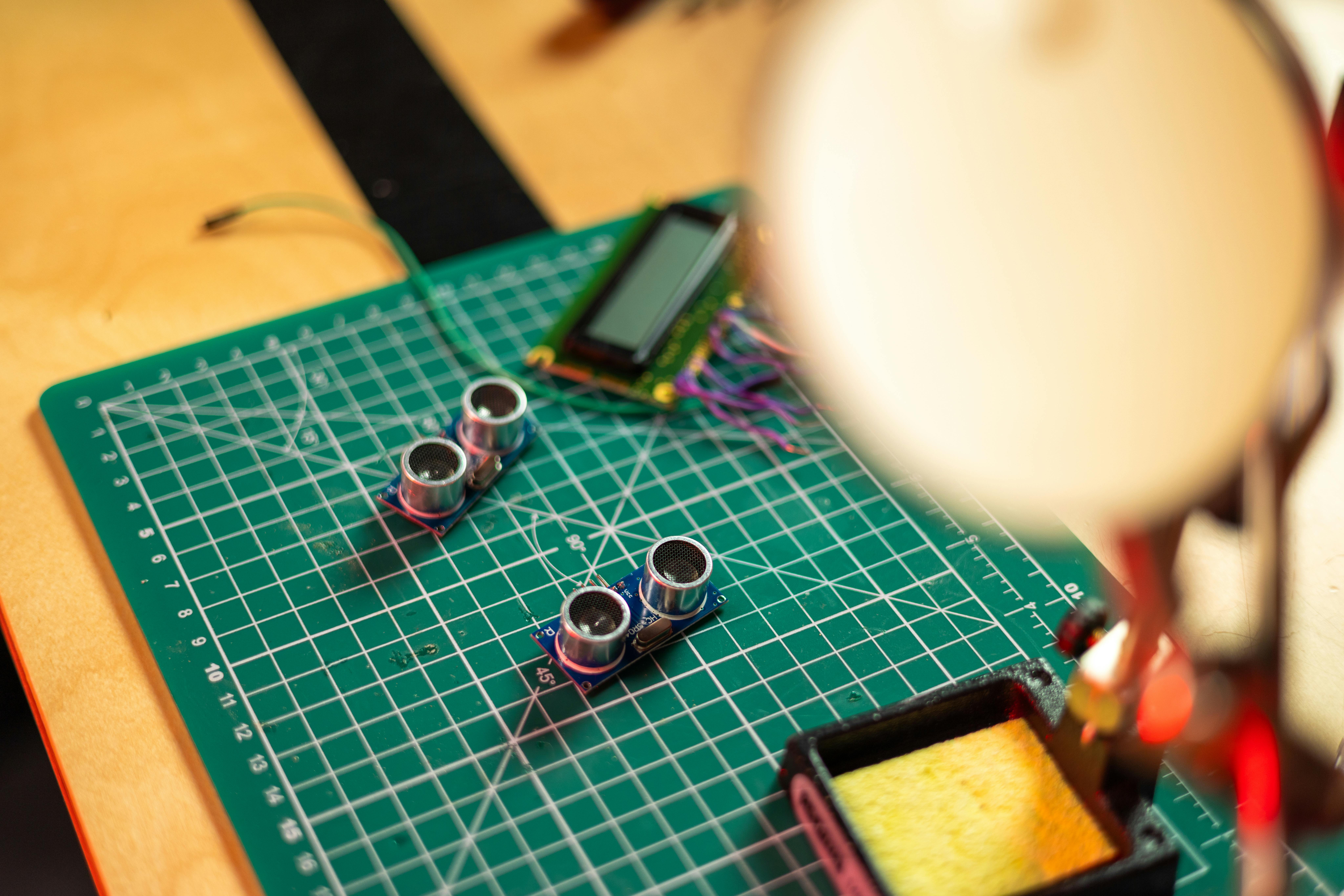
Your life becomes a living laboratory where you’re both scientist and subject. This perspective removes the pressure of perfection and replaces it with curiosity. You’re not trying to get life “right”—you’re discovering what works for you through systematic exploration.
The beauty of this approach is that it never ends. As you grow and change, your experiments evolve. What worked at 25 might not work at 45, and that’s perfectly fine. You simply design new experiments for your new season of life.
The experimental mindset transforms challenges into research questions. Instead of “Why is this happening to me?” you ask “What can I learn from this?” and “What experiment might help me address this?” This shift in framing is empowering and action-oriented.
🎪 Embracing Your Unique Journey
Your experimental journey will look different from everyone else’s because you’re designing a life that fits your unique combination of values, interests, strengths, and circumstances. Resist the temptation to copy someone else’s blueprint—use their experiments as inspiration for designing your own.
The most thriving people aren’t those who followed a prescribed path—they’re those who had the courage to experiment, prototype, and course-correct until they created something uniquely theirs. Your willingness to experiment is what unlocks possibilities others might never discover.
Remember that designing your best life is an ongoing practice, not a destination. There’s no final version where experimentation stops. Each phase of life invites new experiments and iterations. This continuous evolution is what keeps life engaging, meaningful, and full of possibility.
Start today with one small experiment. Define it clearly, give it a timeframe, and commit to honest reflection afterward. That single experiment begins a transformative practice that can reshape your entire life. Your best life isn’t something you find—it’s something you design, one thoughtful experiment at a time.